Bradleys Food Group
How Bradleys Food Group Improved Fleet Safety, Visibility and Control with our AI Cameras
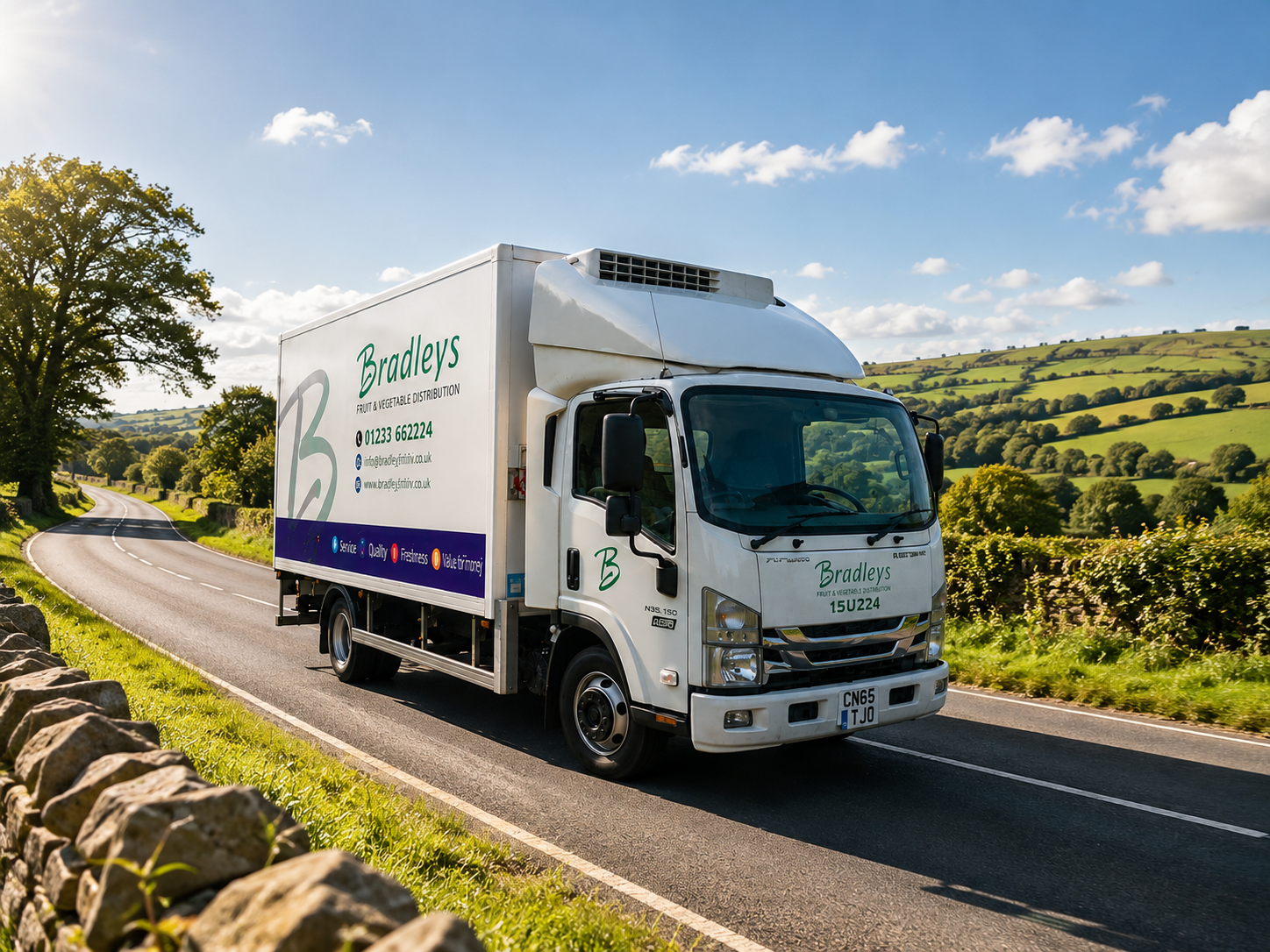
Bradleys Food Group is a family-run bakery and foodservice wholesaler based in Ashford, Kent, supplying frozen, chilled, ambient and non-food products across the South of England. With a busy delivery operation and increasing pressure around safety, compliance, insurance costs and service standards, the business needed better visibility across its fleet.
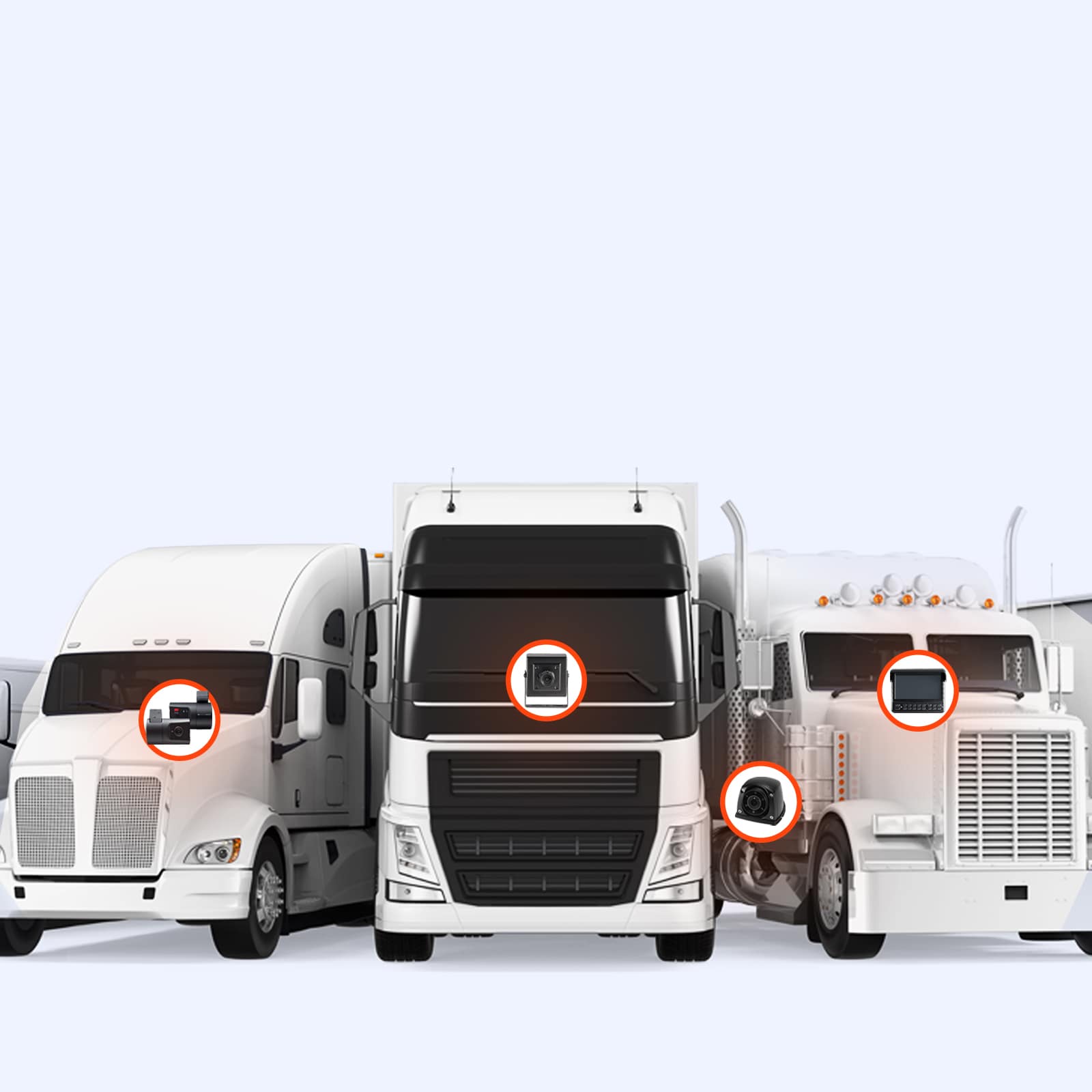
Verilocation introduced a connected solution combining AI cameras, telematics and Transcan temperature monitoring. With forward-facing, driver-facing and rear-facing cameras in place, Bradleys gained greater visibility of on-road events, clearer evidence to support incident review, and access to insights that help identify high-risk behaviours such as distraction and fatigue. At the same time, real-time temperature monitoring reduced reliance on manual fridge checks and improved oversight of chilled and frozen deliveries.
THE CHALLENGE
Bradleys needed a better way to manage on-road risk, support drivers, protect temperature-sensitive goods and improve visibility when incidents occurred. Rising insurance costs, limited access to real-time evidence and a reliance on manual checks made it harder to act quickly, investigate issues with confidence or maintain full operational control across the fleet.
For a food distribution business, even minor incidents can have a wider impact — from disrupted deliveries and avoidable claims to compliance concerns and unnecessary operational pressure. Bradleys needed a solution that could help reduce blind spots, strengthen accountability and provide reliable evidence when it mattered most.
THE SOLUTION
Verilocation deployed a fleet solution built around day-to-day operational control. By combining AI-enabled cameras with real-time vehicle tracking and live temperature monitoring, Bradleys can now see more of what is happening across its fleet and respond faster when issues arise.
The AI camera setup gives the team access to footage and event data that can support incident investigation, help challenge false or disputed claims and provide a clearer picture of what happened on the road. At the same time, telematics and Transcan support better visibility of vehicle movements and refrigerated vehicle performance, helping protect both drivers and temperature-sensitive goods.
Services
Deliverables
Delivering Control at Scale
Bradleys use a broad suite of Verilocation solutions — not just installed, but embedded into daily decision-making:
Looking ahead
With stronger visibility now in place, Bradleys is well positioned to continue improving fleet safety, operational efficiency and control as the business grows. With AI cameras, telematics and temperature monitoring working together in one platform, the business now has a stronger foundation for reducing risk, supporting compliance and protecting both drivers and customers.
With forward-facing, driver-facing and rear-facing cameras in place, Bradleys gained greater visibility of on-road events, clearer evidence to support incident review, and access to insights that help identify high-risk behaviours such as distraction and fatigue
”Working with Verilocation has given us greater visibility across the fleet and more confidence in how we manage day-to-day operations. The combination of AI cameras, tracking and temperature monitoring has helped us improve oversight, reduce manual checks and support better decision-making across the business.”
Bradleys Food Group
The Results
Improved Fleet Safety, Visibility and Control with AI Cameras
Since implementing the solution, Bradleys Food Group has benefited from:
- Greater visibility of on-road events and driver risk
- Better support for driver coaching, accountability and safer driving behaviours
- Clearer evidence to support incident investigation and challenge false or disputed claims
- Improved protection for drivers in the event of complaints or non-fault incidents
- Better oversight of refrigerated vehicle performance and temperature-sensitive deliveries
- Reduced reliance on manual checks and fragmented processes
- Stronger operational control across the fleet
- A more informed approach to reducing risk, protecting service standards and supporting compliance